
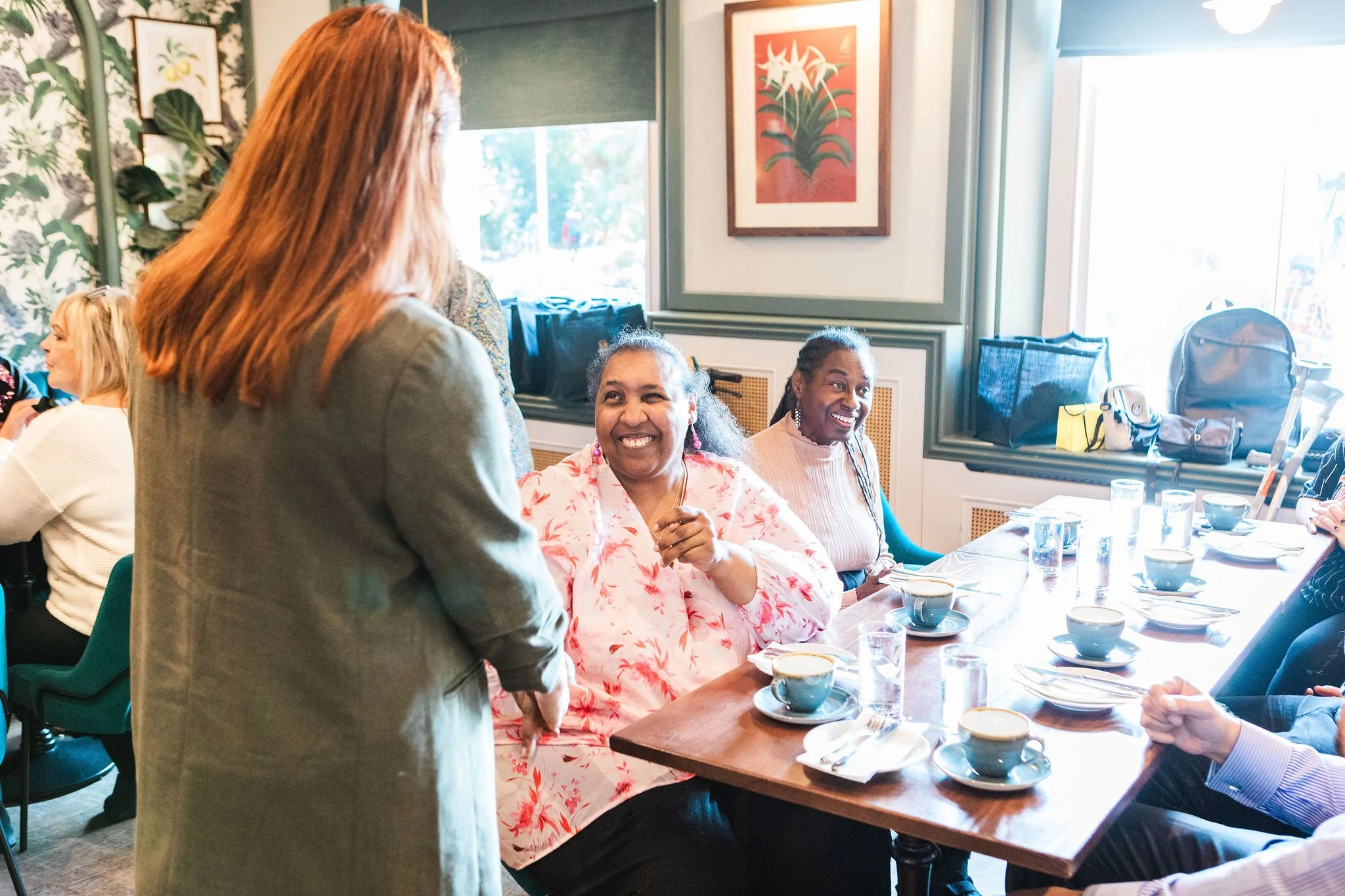
Accessibility is often treated as a compliance task. I see it as part of the guest experience, commercial strategy and brand reputation.
I’m Elaine Hughes, a Luxury Accessibility Experience Strategist and founder of Inclusive Hospitality Co.
I work with luxury venues, hotels and hospitality businesses to identify the barriers they may not realise are there, then turn that insight into practical changes across the booking journey, guest experience, staff confidence and commercial strategy.
My work brings together professional accessibility expertise, lived experience, hospitality insight and a clear understanding of how disability and neurodivergence affect customer experience.
Why This Work Exists
A venue can have accessible features and still lose the booking.
That happens when accessibility is hard to find, poorly communicated, inconsistent across the guest journey or dependent on someone asking the right question.
Disabled and neurodivergent guests are often left doing extra work just to understand whether a venue can meet their needs.
That uncertainty affects confidence.
And confidence affects whether someone enquires, books or quietly goes elsewhere.
My role is to help venues spot those gaps and fix them in a way that is practical, commercially useful and right for the way the business operates.
My Approach
My approach is practical, commercial and built around the way hospitality businesses actually operate.
I look at accessibility across the whole guest journey, not as a separate box-ticking exercise.
That can include:
website and booking journey
language and accessibility messaging
imagery and representation
staff confidence and communication
physical guest experience
enquiry and adjustment processes
accessibility statements
commercial positioning
training and implementation
The aim is not to create another document that sits in a folder.
It is to help teams understand where accessibility is creating friction, what needs to change and how to embed improvements in a way that works for both guests and the business.
The goal is not to become known as “the accessible venue”. The goal is to be known as an exceptional hospitality business where accessibility is expected as part of the experience.
Experience and credentials
My work is backed by both professional training and practical experience across accessibility, hospitality and customer experience.
You can include these as a clean credential block:
CAE Graduate Access Consultant
Forbes-featured expert
LinkedIn Top Voice
Purple Tuesday Ambassador
Founder of Inclusive Hospitality Co
Creator of the F’AIRE™ framework
Hospitality and wedding industry speaker
Experience delivering accessibility, inclusion and strategic advisory work
The F’AIRE™ Framework
F’AIRE™ is the framework that underpins my consultancy and training work.
It looks at:
Fairness
Accessibility
Inclusion
Representation
Excellence
Experience+
It gives businesses a practical structure for moving from good intentions to consistent, visible and commercially useful accessibility.
Who I work with
I work with:
luxury hotels
wedding and event venues
country estates
boutique hospitality businesses
venue groups
guest experience and operations teams
The strongest fit is a business that already cares about service and quality, but knows accessibility is not yet as clear, confident or embedded as it could be.
Trusted by organisations, event leaders and businesses
“Elaine led a disability inclusion workshop for our team at Turtle Bay, providing invaluable insights from her lived experience. Her guidance and support were truly transformative, giving us knowledge we couldn’t have gained elsewhere.”
Olajide Alabi
People Experience & Culture Leader
Turtle Bay
“Working with Elaine Hughes on the accessibility requirements for PeakeFest has been an absolute game-changer… Her advice and insights have been priceless, giving me confidence and clarity to make PeakeFest more inclusive.”
Nicola Peake / PeakeFest“Elaine gave me constructive and practical advice about the importance of working with clients with disabilities, not just from an inclusive perspective, but from a financial one as well.”
Sarah BolithoWant to understand where accessibility may be creating friction in your venue or guest journey?
Complete the short enquiry form and tell me a little about your business, what you are trying to improve and where you think the gaps may be.